Description
Bee Pollinator Meadow Seed Mixture 6823. Open Pollinated. Combination of Annual and Perennial.
A Nectar-Rich Blend to Help Restore Bee Populations and Support Local Ecosystems.
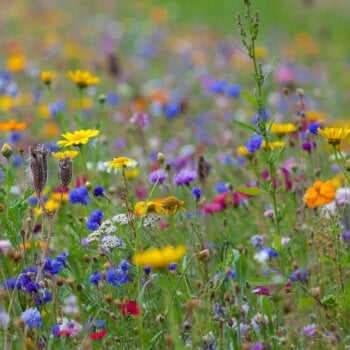
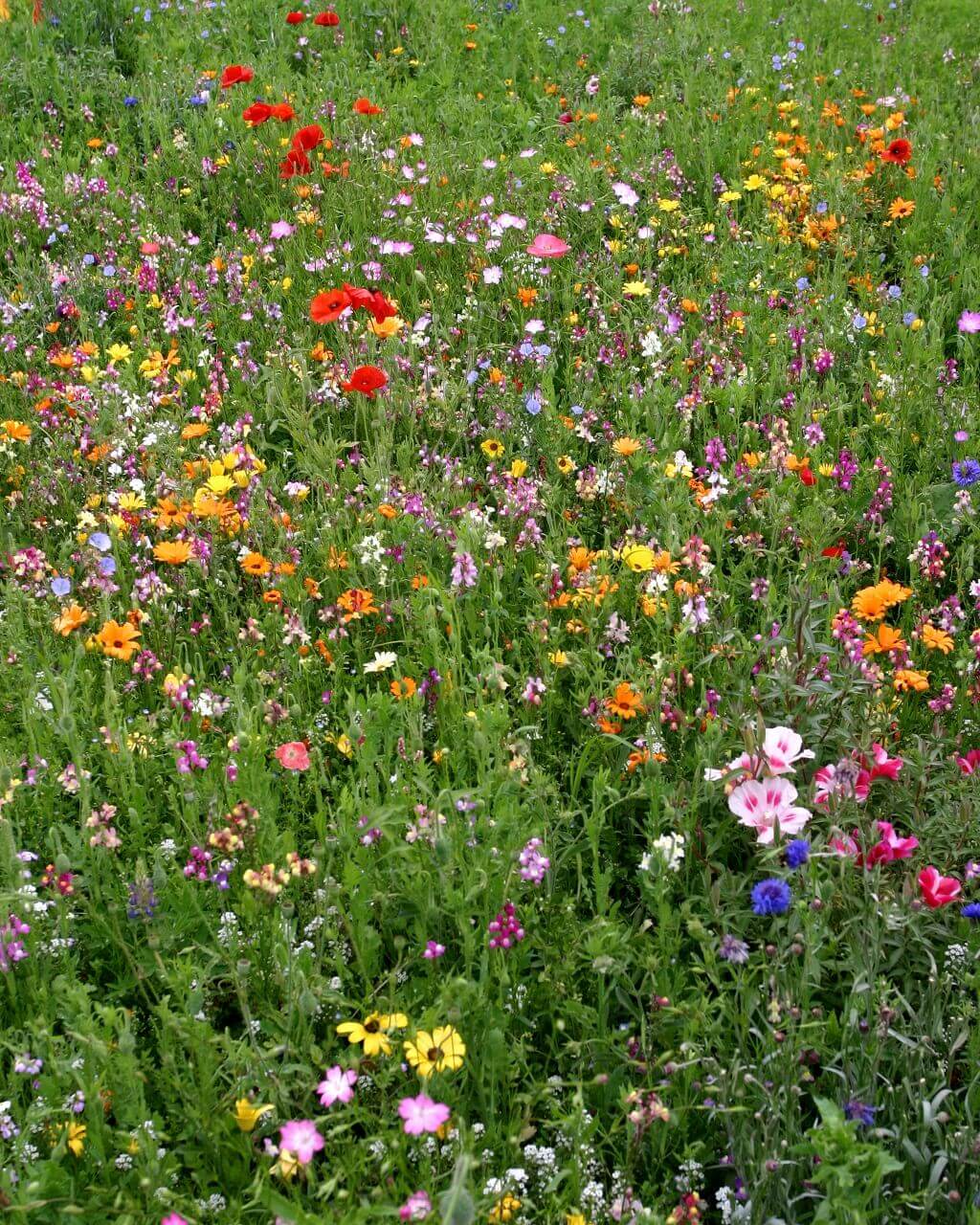
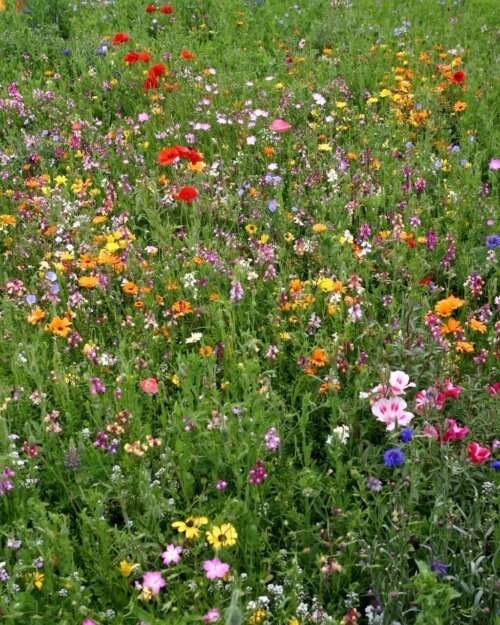
Be part of the solution with the Bee Pollinator Meadow Seed Mixture. Bee populations have been facing significant declines, and planting nectar and pollen-rich forage is one of the most effective ways to help them thrive. This balanced blend of self-seeding annuals and hardy perennials features species that native bees, honeybees, and wild pollinators find completely irresistible. Designed for multi-season performance, the quick-blooming annuals deliver immediate first-year forage while the perennials build deep root systems for long-lasting, returning blooms.
Quick Seed Details
-
Product Code: 6823
-
Type: Open-Pollinated Mixture of Self-Seeding Annuals & Hardy Perennials
-
Coverage: 1 pkt sows approx. 3–5 m² (Large scale: 125 g per 90 m² or 9.5 kg per hectare)
-
Light Requirement: Full Sun to Partial Shade
-
Blend Composition:
-
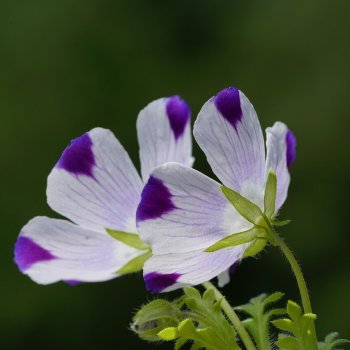
Annuals (A): Borage (Borago officinalis), Corn Poppy (Papaver rhoeas), Forget-Me-Not (Cynoglossum amabile), Lemon Mint (Monarda citriodora), Partridge Pea (Chamaecrista fasciculata), Sweet Mignonette (Reseda odorata).
-
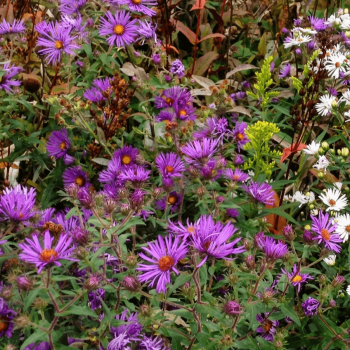
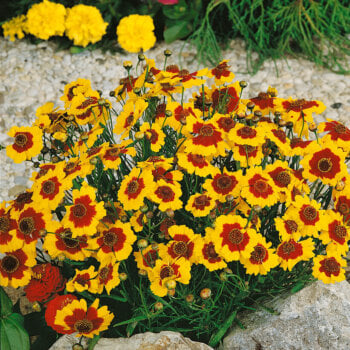
Perennials (P): Black-Eyed Susan (Rudbeckia hirta), Blanket Flower (Gaillardia aristata), Butterfly Weed (Asclepias tuberosa), White Clover (Trifolium repens), Eastern Columbine (Aquilegia canadensis), Lance Leaf Coreopsis (Coreopsis lanceolata), New England Aster (Symphyotrichum novae-angliae), Purple Coneflower (Echinacea purpurea), Wild Bergamot (Monarda fistulosa), Wild Lupin (Lupinus perennis).
-
What you need to know to Plant & Grow
Establishing a pollinator meadow is simple when given proper site preparation and timing.
-
Best Sowing Windows:
-
Late Fall (Mid-Sept. – Late Oct.): Highly recommended. Allows dormant seeds to undergo natural winter cold stratification for strong spring germination.
-
Early Spring (Late March – Early April): Provides a brief natural cold stratification period before soil warms.
-
Late Spring (Early May – Mid-June): Direct sow once soil temperatures have warmed.
-
-
Site Preparation: Clear existing weeds thoroughly. Loosen the top 2.5 cm (1″) of soil using a rake, cultivator, or hoe—seeds establish far better in loose, well-drained soil than in compacted topsoil.
-
Sowing: Broadcast the seed evenly. Mixing smaller seeds with dry sand helps achieve uniform coverage across your seedbed. Rain, snow, and frost-heaving will naturally work the seeds into the soil.
-
Maintenance: Keep the seedbed moist by irrigating through the first growing season as plants establish.
Why this Bee Mixture belongs in Your Garden
If you want to turn an open lawn, field, or garden bed into a buzzing, colourful wildlife sanctuary, this seed mix is the ideal choice. By pairing high-value bee favourites like Borage and White Clover with native staples like Wild Bergamot and Butterfly Weed, this mixture supplies continuous food from spring through fall while creating vital habitat for local pollinators.