Description
Edelweiss Seeds 6347. Open Pollinated. Perennial.
75-100 seeds/packet (7,500 seeds/gram)
An Iconic, Silver-Leafed Alpine Treasure for Rock Gardens.
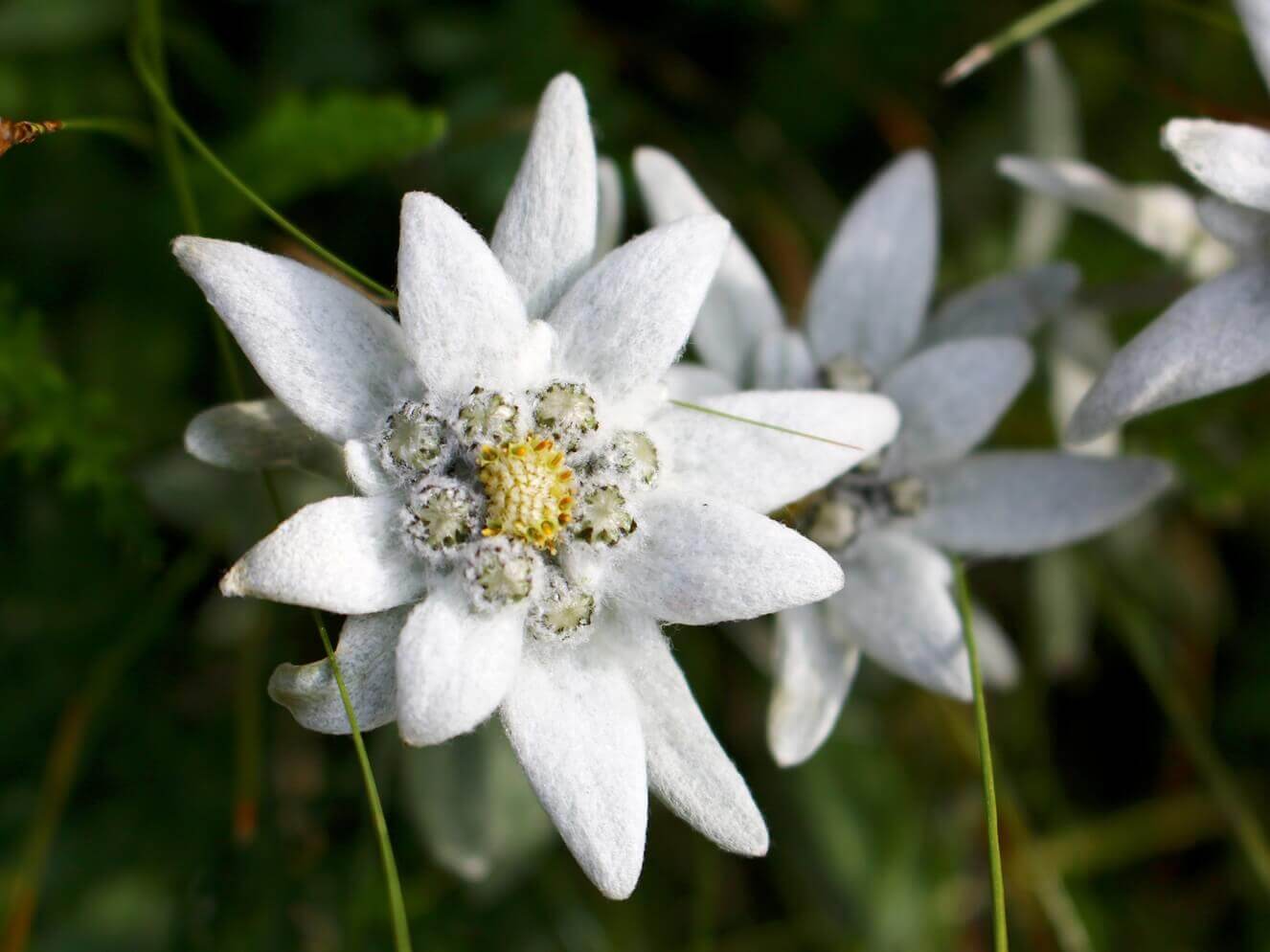
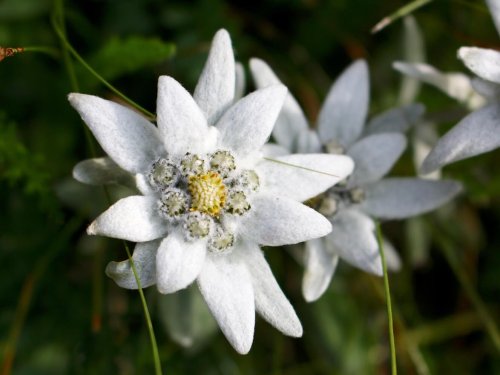
Edelweiss (Leontopodium alpinum) is a legendary perennial that brings the rugged beauty of high-altitude landscapes to your garden. While famous for its presence in the European Alps, this hardy species is actually native to the Himalayas and Siberia. Reaching a compact, dwarf height, the plant features striking, woolly, tufted foliage that gives it a distinct silvery-white appearance. (Young plants are smooth. The fuzz on the leaves appears when the plant is mature and soon to bloom.) Its lovely star-shaped flowers are a true collector’s item, making it the crowning jewel for sunny rock gardens and alpine beds.
Quick Seed Details
-
Product Code: 6347
-
Type: Open-Pollinated Perennial
-
Colour: Silvery-White
-
Growth Habit: Woolly, tufted dwarf plant
-
Bloom Time: Begins flowering in its second year (slow-growing)
-
Light Requirement: Full Sun
-
Price: $3.99
What you need to know to Plant & Grow
Edelweiss thrives in poor, sharply drained soils and loves full sun, mimicking its natural mountainous habitat.
-
Sow Indoors: Start seeds indoors in a soilless medium from late January through February.
-
Germination Method 1: Keep the medium at 15°C for 14 to 21 days. Important: Do not cover the seed, as light is essential for germination.
-
Germination Method 2 (Cold Stratification): For more stubborn seeds, place them in a moistened medium, wrap the container in plastic, and refrigerate for 3 weeks. Remove and germinate in a warmer spot at 20°C.
-
Sow Outdoors: Alternatively, direct sow seeds outdoors in the late fall. The natural winter freeze will stratify the seeds for a strong spring emergence.
-
Spacing: When transplanting to the garden, thin or space plants 15 cm (6″) apart.
Why Edelweiss Seeds belong in Your Garden
If you appreciate unique textures and historical plants, Edelweiss is a must-have. Its velvety, felt-like leaves are a natural defense against harsh sun and drying winds, making it exceptionally resilient in well-drained, gritty soils where other perennials might fade. Because it is slow-growing and blooms in its second year, it rewards patient gardeners with a rare, timeless beauty that stands out dramatically against dark stones or green ground covers.