Description
New England Aster Seeds 6940 (Aster novae-anglaie). Native of Canada. Perennial.
Approx. 300 seeds/pkt (2,400 seeds/gram)
Late-Season Vibrance for the Canadian Pollinator Garden.
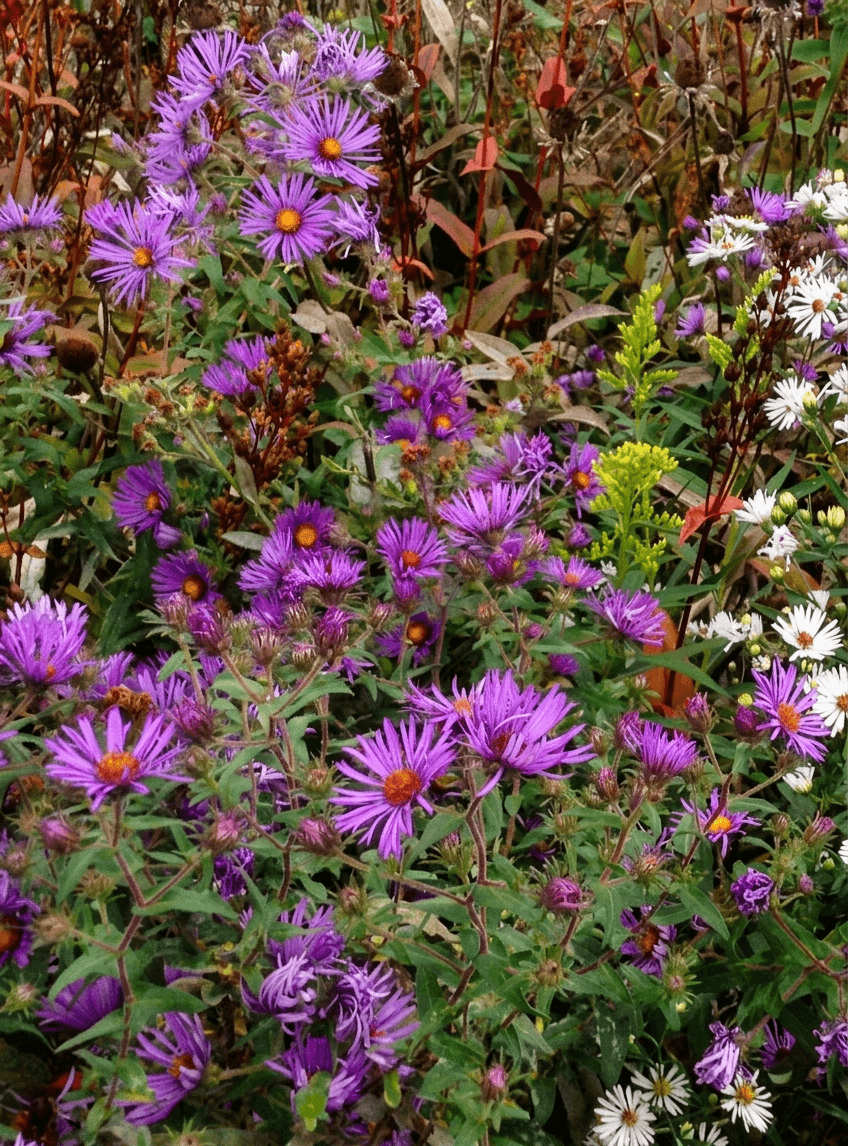
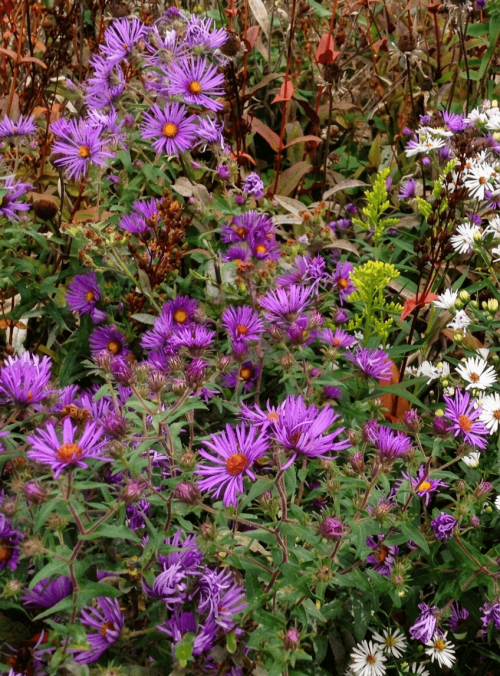
The New England Aster is an essential Ontario native that brings life to the garden just as other plants begin to fade. Known for its showy, 3.75 cm wide violet-purple blooms with striking yellow-orange centres, it is a vital nectar source for butterflies and pollinators from mid-August through October. Reaching heights of 60–120 cm, this hardy perennial is a staple of meadows, forest borders, and open fields, providing structure and reliable late-season colour year after year.
Quick Seed Details
-
Product Code: 6940
-
Type: Native Canadian Perennial
-
Hardiness: Zone 3 (Exceptionally cold-hardy)
-
Colour: Violet-Purple with Yellow-Orange Eyes
-
Height: 60–120 cm
-
Bloom Time: Mid-August through late October
-
Light Requirement: Full Sun to Partial Shade
-
Features: Irresistible to songbirds and pollinators; moisture-tolerant; perfect for naturalized meadows and fence rows.
What you need to know to Plant & Grow
New England Aster is a resilient species that thrives in moist, well-drained soils, though it is quite adaptable once established.
-
Sow Outdoors (Recommended): For the most effective results, direct sow in late fall. This allows the seeds to undergo natural winter stratification, which “wakes up” the dormant seed for a strong spring emergence.
-
Sow Indoors: Start seeds in early March. Sow no deeper than 3 mm in a soilless medium. Moisten the medium and place the container in a refrigerator or freezer for 2–3 weeks to simulate winter before moving to a warm spot (20°C).
-
Germination: Be patient—germination can take 5 weeks (35+ days) or more. Once sprouted, grow under lights at a cooler temperature before hardening off.
-
Establishment: Plants typically take two years to flower when grown from seed. Note that it is normal for the lower leaves on the stem to shrivel and dry up during the flowering period; this is a natural characteristic of the plant.
Why New England Aster Seeds belong in Your Garden
If you want to support local biodiversity, the New England Aster is an absolute must-have. As one of the last blooming plants of the season, it acts as a critical “refuelling station” for migrating Monarch butterflies and late-flying bees. Its tall, stately presence makes it an ideal backdrop for shorter wildflowers, and its ability to handle damp soils makes it a versatile solution for those lower-lying areas of your property.