
Description
Common Milkweed Seeds 6987.
Essential Native Host Plant for Monarch Butterflies and Local Pollinators.
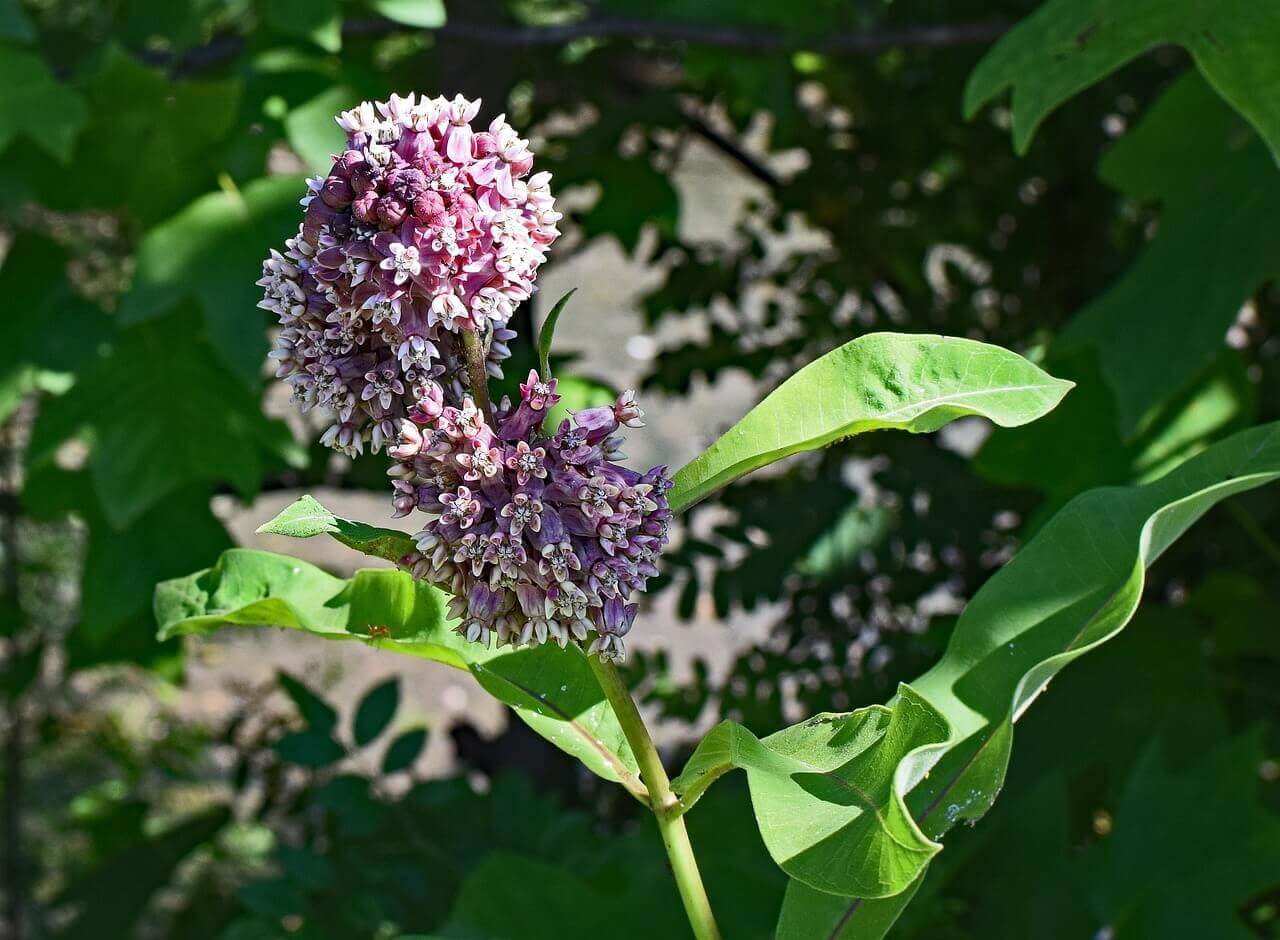
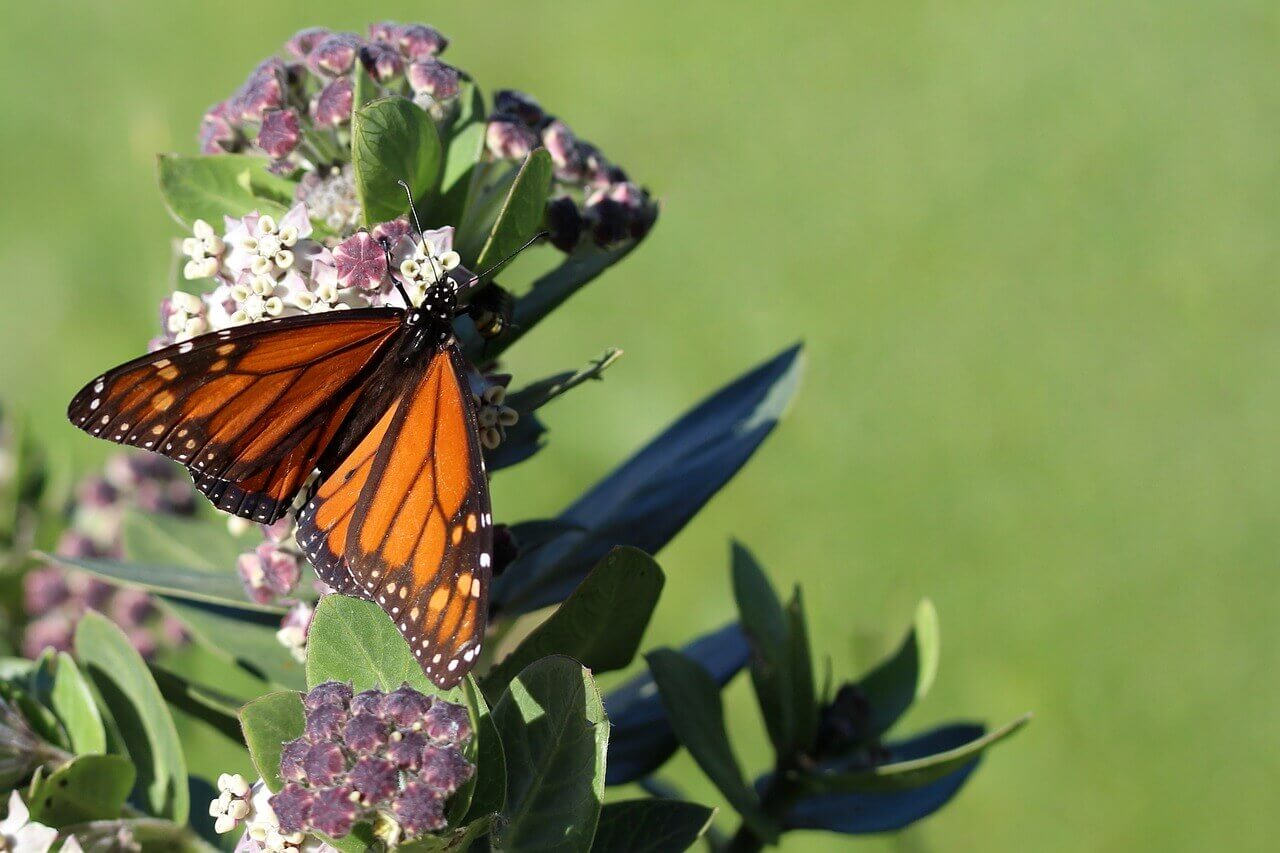
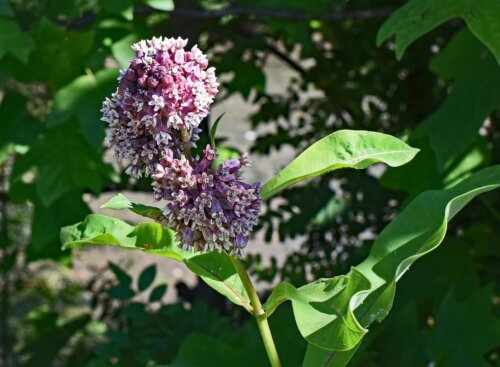
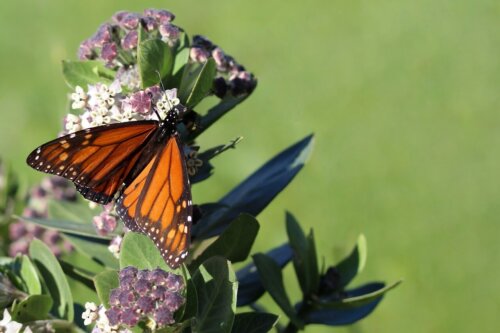
Common Milkweed (Asclepias syriaca) is a vital native Canadian perennial and the primary host plant for the Monarch butterfly (Danaus plexippus). Monarch butterflies rely exclusively on milkweed species to lay their eggs, as these plants provide the sole food source for emerging Monarch caterpillars. Beyond its ecological importance, Common Milkweed features highly attractive, sweetly fragrant pinkish-purple flower umbels that serve as rich nectar and pollen sources for bees and butterflies alike. Growing 60 to 120 cm tall, this hardy native is an indispensable addition to pollinator meadows, naturalized gardens, and wildlife restoration projects.
Safety Note: Do not consume any part of the milkweed plant. The milky sap contains cardiac glycosides that are poisonous to humans and livestock if ingested in significant quantities.
Quick Seed Details
-
Product Code: 6987
-
Botanical Name: Asclepias syriaca
-
Type: Native of Canada, Open-Pollinated Perennial
-
Hardiness: Zone 3
-
Height: 60–120 cm
-
Light Requirement: Full Sun
-
Soil Preference: Well-drained soils; tolerant of dry, poor conditions
-
Seed Count: Approx. 40 seeds per packet (125 seeds per gram)
What you need to know to Plant & Grow
Common Milkweed seeds possess natural dormancy and require a period of cold stratification to trigger high germination rates.
-
Outdoor Fall Sowing (Recommended): Sow seeds directly outdoors in late fall in a sunny location and cover very lightly with soil. Natural winter freeze-and-thaw cycles will stratify the seeds naturally, breaking dormancy for strong spring emergence.
-
Indoor Sowing (Cold Stratification Required):
-
Start indoors in early February using a soilless medium.
-
Barely cover seeds, as diffuse light aids germination.
-
Moisten the medium, cover, and place the container in a refrigerator for 3 months to cold-stratify.
-
After stratification, move the container to a warm spot at 20°C. Germination typically occurs in 10 to 20 days.
-
Grow under lights at slightly cooler temperatures, then harden off and transplant outdoors after all danger of frost has passed.
-
Why Common Milkweed Seeds belong in Your Garden
Planting Common Milkweed is one of the most direct and effective ways to support Canadian biodiversity. Once delisted from Ontario’s noxious weed list, this resilient native plant is now celebrated for its critical role in conserving Monarch populations. It establishes deep, drought-tolerant root systems that thrive in sunny, dry areas, fence rows, and meadows, rewarding you year after year with fragrant blooms and fluttering wildlife.