Description
Russell’s Red Lupins Seeds 6540.
Stately Scarlet Spikes for Dramatic Early Summer Borders.
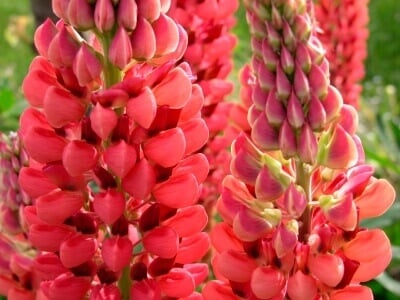
Russell’s Red Lupins (Lupinus polyphyllus) are a classic perennial favourite prized for their tall, breathtaking spikes of rich red blooms. Reaching 60 to 90 cm in height, these dramatic flower spires create an eye-catching vertical statement in cottage gardens and sunny borders throughout June and July. Thriving in moist soils under full sun to light shade, this variety is exceptionally attractive to hummingbirds and native bees, adding dynamic life and rich colour to your early summer garden.
Quick Seed Details
-
Product Code: 6540
-
Botanical Name: Lupinus polyphyllus ‘Russell Red’
-
Type: Hybrid Perennial
-
Hardiness: Zone 5
-
Height: 60–90 cm
-
Bloom Time: June to July
-
Light Requirement: Full Sun to Light Shade
-
Soil Preference: Moist, well-drained soil
-
Germination: Approx. 20 days at 16°C
-
Seed Count: Approx. 40 seeds per packet (45 seeds per gram)
What you need to know to Plant & Grow
Lupins have hard seed coats and germinate best under cool temperatures.
-
Seed Preparation: Soak seeds in water for 24 hours prior to sowing to break the hard outer seed coat and encourage even germination.
-
Indoor Sowing: Start seeds indoors 6 to 8 weeks before your last spring frost date. Sow in a quality soilless growing medium and maintain a cool germination temperature of 16°C for the 20 day germination period. Move sprouted seedlings under lights at 16°C before hardening off and carefully transplanting outdoors after frost danger passes.
-
Outdoor Direct Sowing: Direct sow seed outdoors in late fall for natural winter conditioning and early spring sprouting.
-
Care & Placement: Plant in moist, well-drained soil in full sun or light shade. Handle taproots with care during transplanting.
Why Russell’s Red Lupins Seeds belong in Your Garden
If you want striking architectural structure in vibrant crimson shades, Russell’s Red Lupin is an essential addition. Its bold red spires, preference for cool Canadian springs, and attraction for native pollinators make it a standout favourite for garden beds and cottage landscapes.