Description
Evening Primrose Seeds (Oenothera lamarckiana) 6915.
Fragrant, Dusk-Blooming Native for Birds and Night Pollinators.
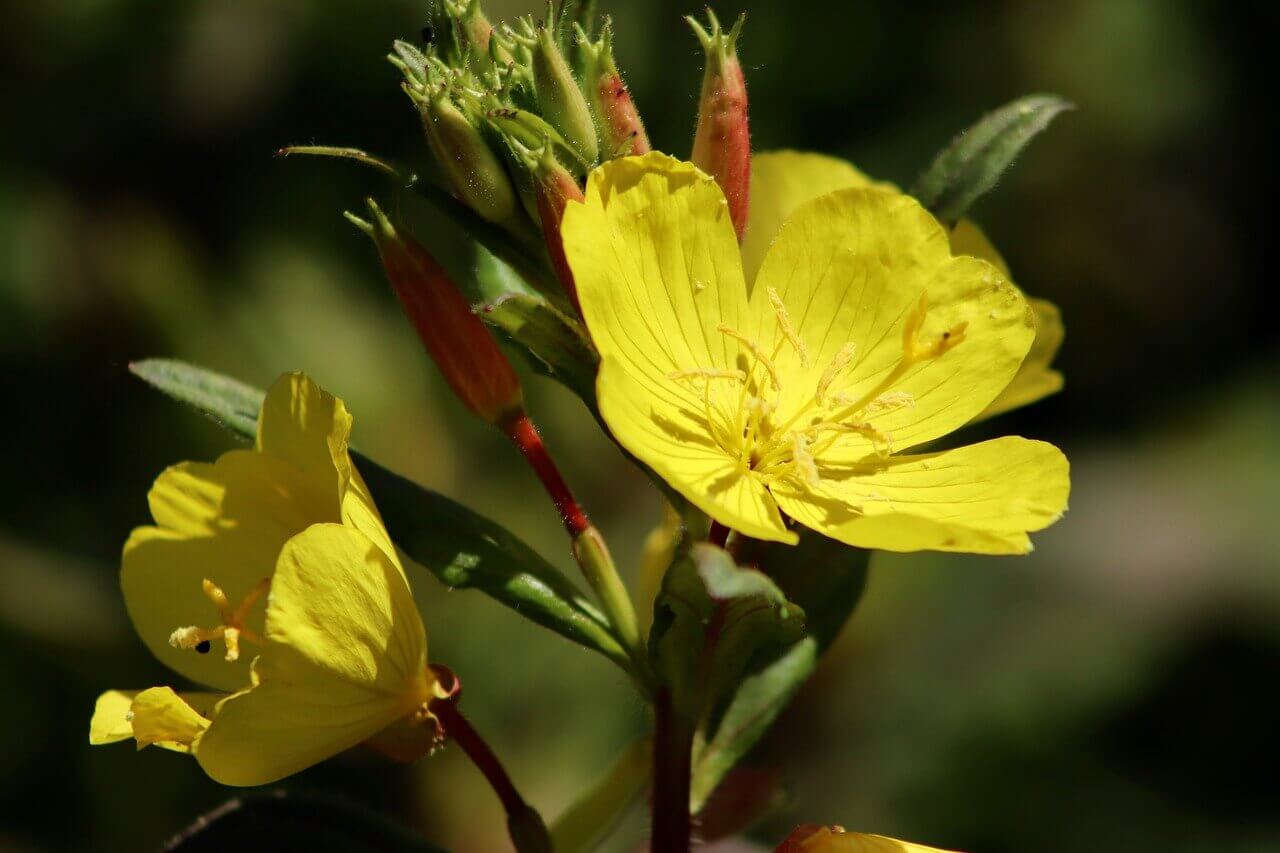
Evening Primrose (Oenothera lamarckiana), also known as Evening Scented Primrose, is a striking plant prized for its bright yellow, cup-shaped flowers that unfold in the late afternoon and dusk. Reaching 60 to 120 cm (2 to 4′) in height, its sturdy central stalk is covered in 2.5 to 5 cm (1 to 2″) wide blooms that release a sweet fragrance to entice sphinx moths and other night-flying pollinators. An ideal pioneer species that quickly colonizes bare, open patches, it acts as a self-seeding annual that returns year after year without becoming invasive. In the fall and winter, its nutrient-rich seed heads become a magnet for goldfinches and other small songbirds.
Quick Seed Details
-
Product Code: 6915
-
Botanical Name: Oenothera lamarckiana
-
Type: Self-Seeding Annual
-
Height: 60–120 cm (2–4′)
-
Bloom Habit: Late afternoon/dusk blooming
-
Light Requirement: Full Sun to Partial Shade
-
Soil Preference: Average to dry, well-drained soils
-
Seed Count: Approx. 1,900 seeds per gram
What you need to know to Plant & Grow
Evening Primrose is exceptionally easy to grow and adapts readily to dry, disturbed, or poor soils.
-
Indoor Sowing: Start seeds indoors in a soilless medium around February 1st. Gently press seeds onto the surface and do not cover, as light is required for germination. Germinate at 15 to 20°C for 14 days. Grow under lights at the same temperature before hardening off and transplanting outdoors after frost risk passes.
-
Outdoor Direct Sowing: Direct sow seed outdoors in mid-May. Lightly press into prepared soil without burying deep.
-
Maintenance: Very low maintenance. Allow plants to set seed in late summer to ensure natural self-seeding for subsequent years.
Why Evening Primrose Seeds belong in Your Garden
If you enjoy evening gardens or want to create a night-pollinator sanctuary, Evening Primrose is a captivating choice. Its drought tolerance and pioneer nature make it ideal for naturalized areas, sunny banks, or cottage gardens, while its winter seed heads keep your yard alive with songbirds well into the cold months.